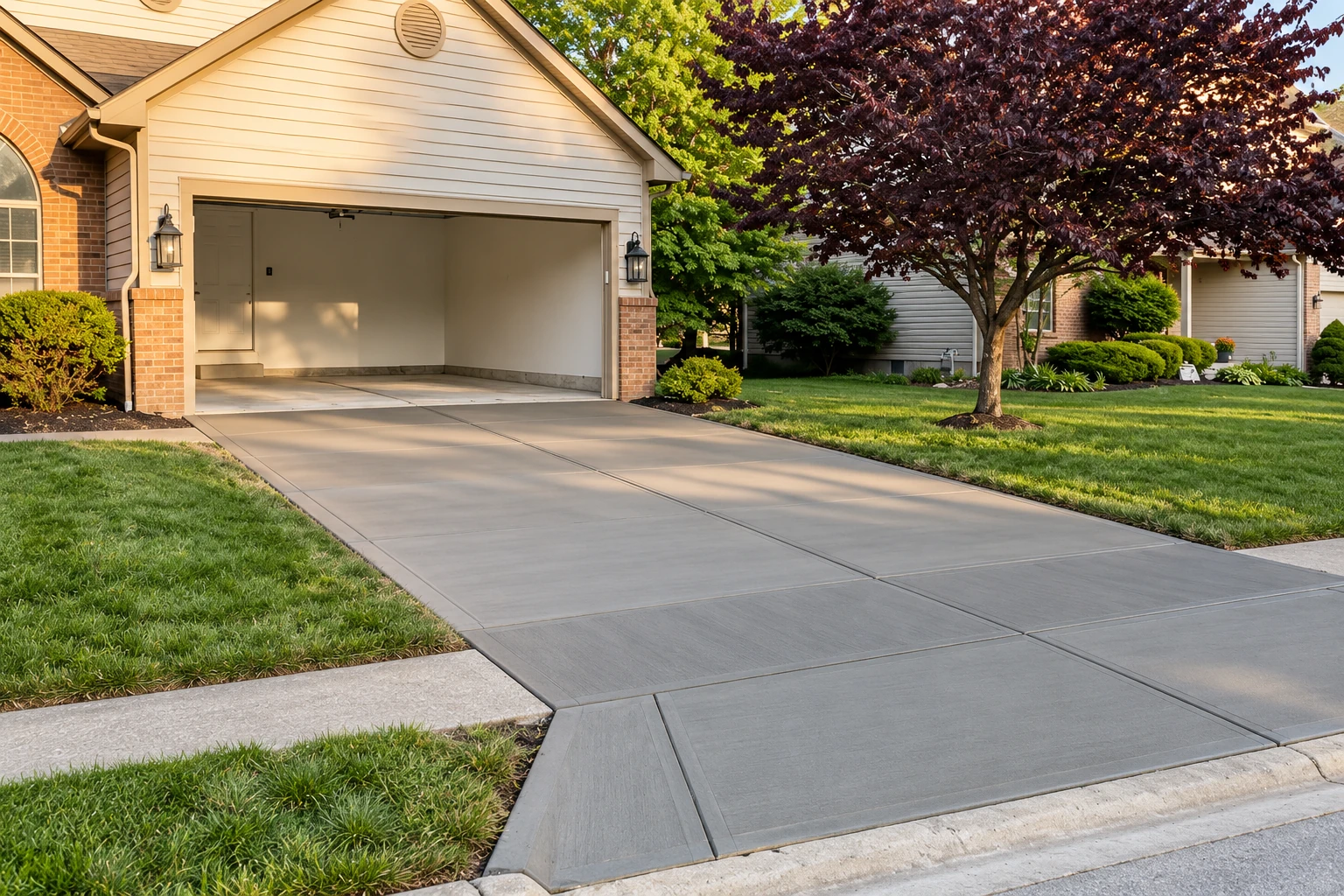
A new or replacement driveway for homeowners, poured over a dug-out and packed subgrade, the ground the slab sits on, and sloped so water runs to the street.
Concrete contractor in Corona, CA - driveways and patios that sit level and shed water
Riverside Concrete Company is a concrete contractor in Riverside, CA, and we pour driveways, patios, walkways, steps and garage floors for Corona homeowners, along with walls, footings and foundation work for property owners.

- Licensed and fully insured.
- Free in-person estimates.
- Expect a reply within 1 business day.
Concrete work we do in Corona
Most of the calls we get from Corona are homeowners with a driveway, patio or walkway to replace, and some are property owners with a lot, a wall or a foundation to sort out.
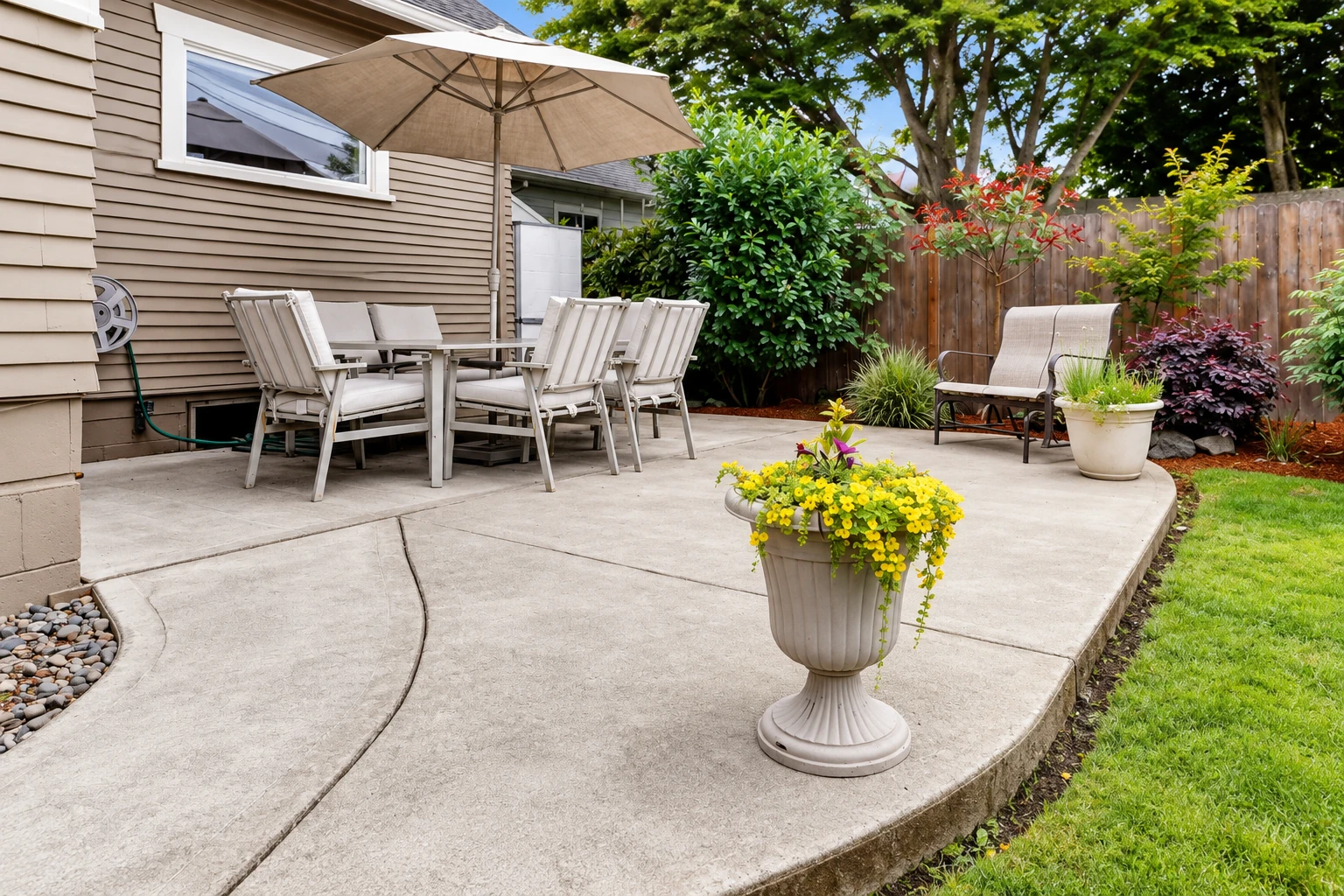
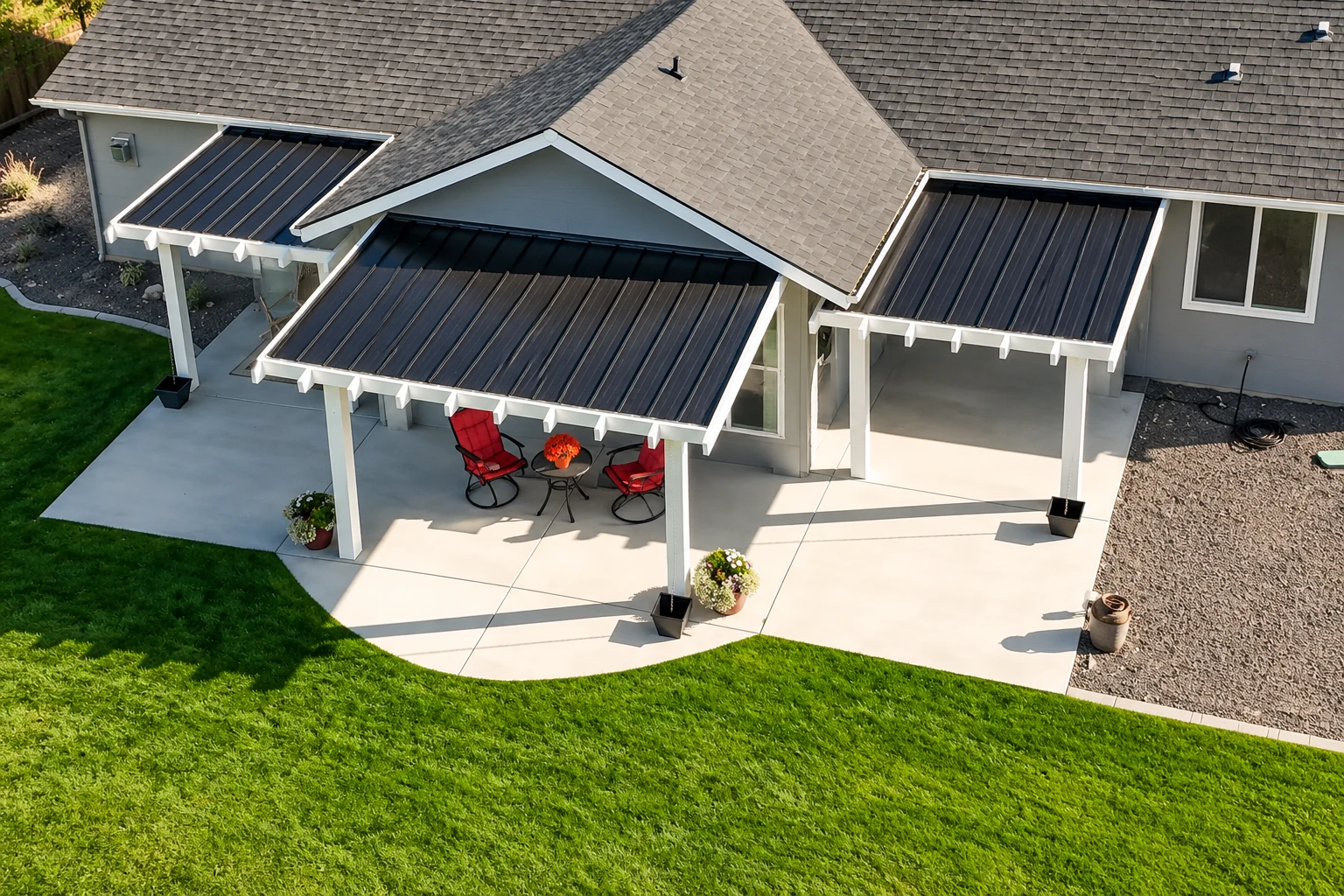
A backyard patio for outdoor living, set to fall away from your house, usually with a broom finish, a light dragged texture that helps keep feet from slipping.
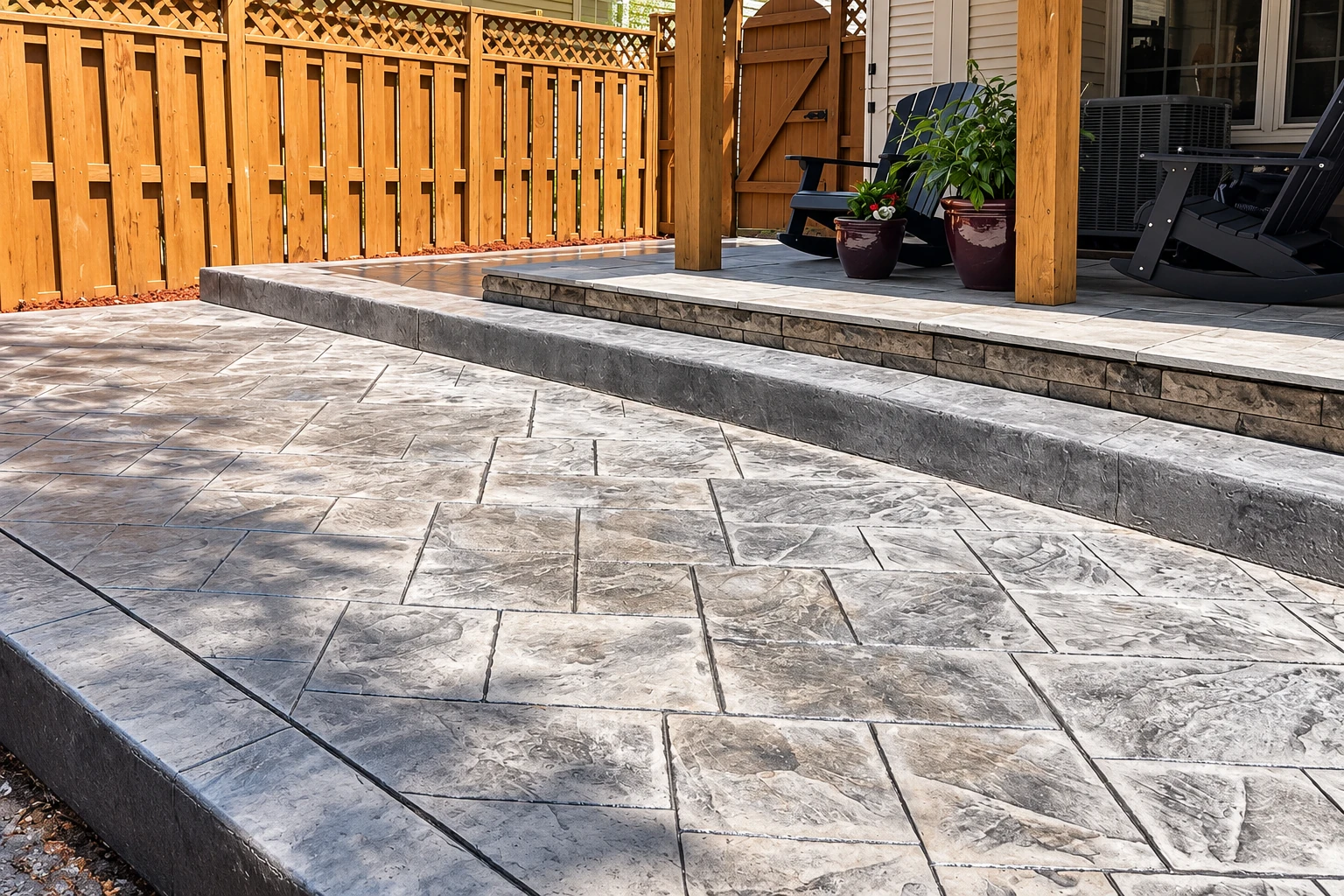
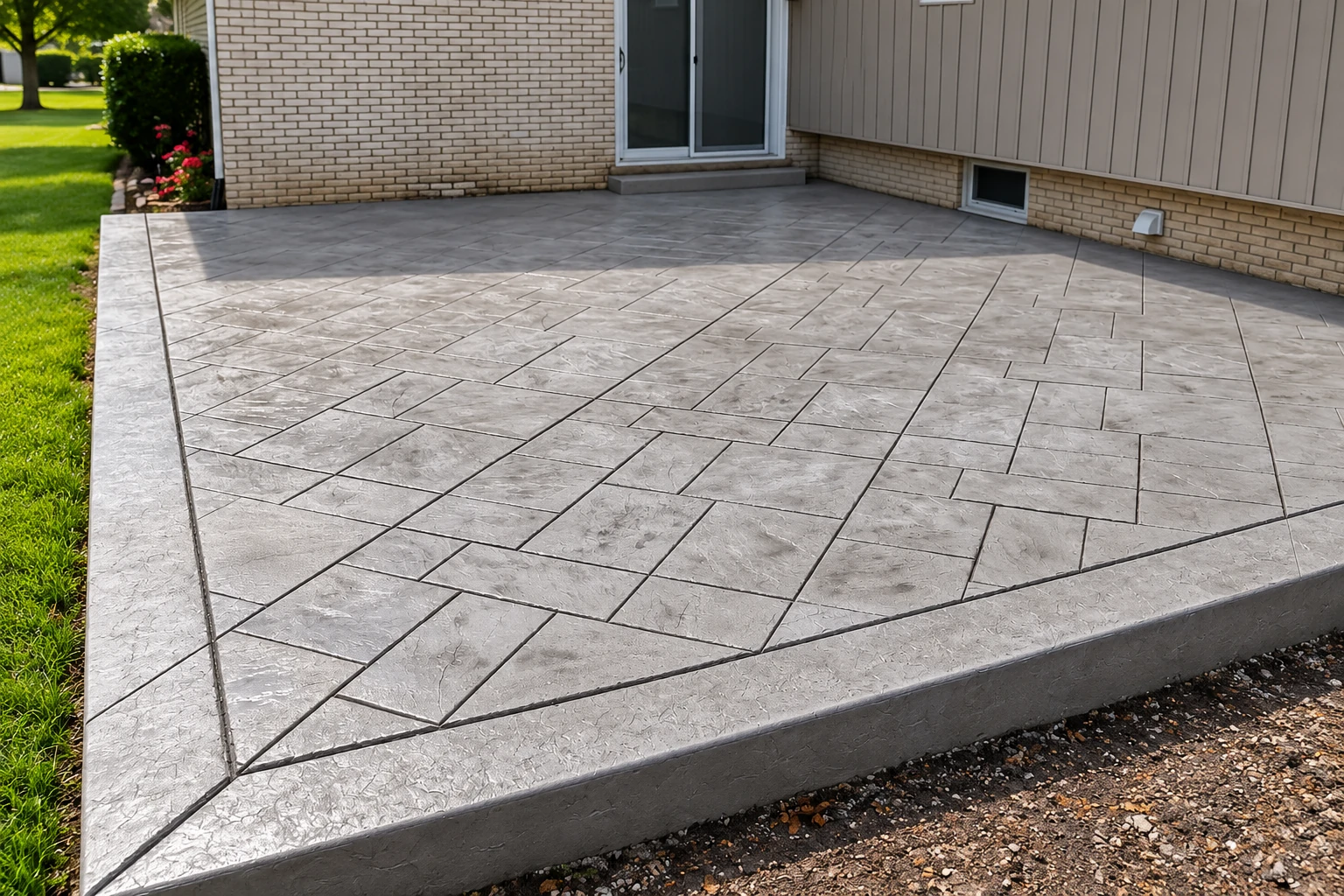
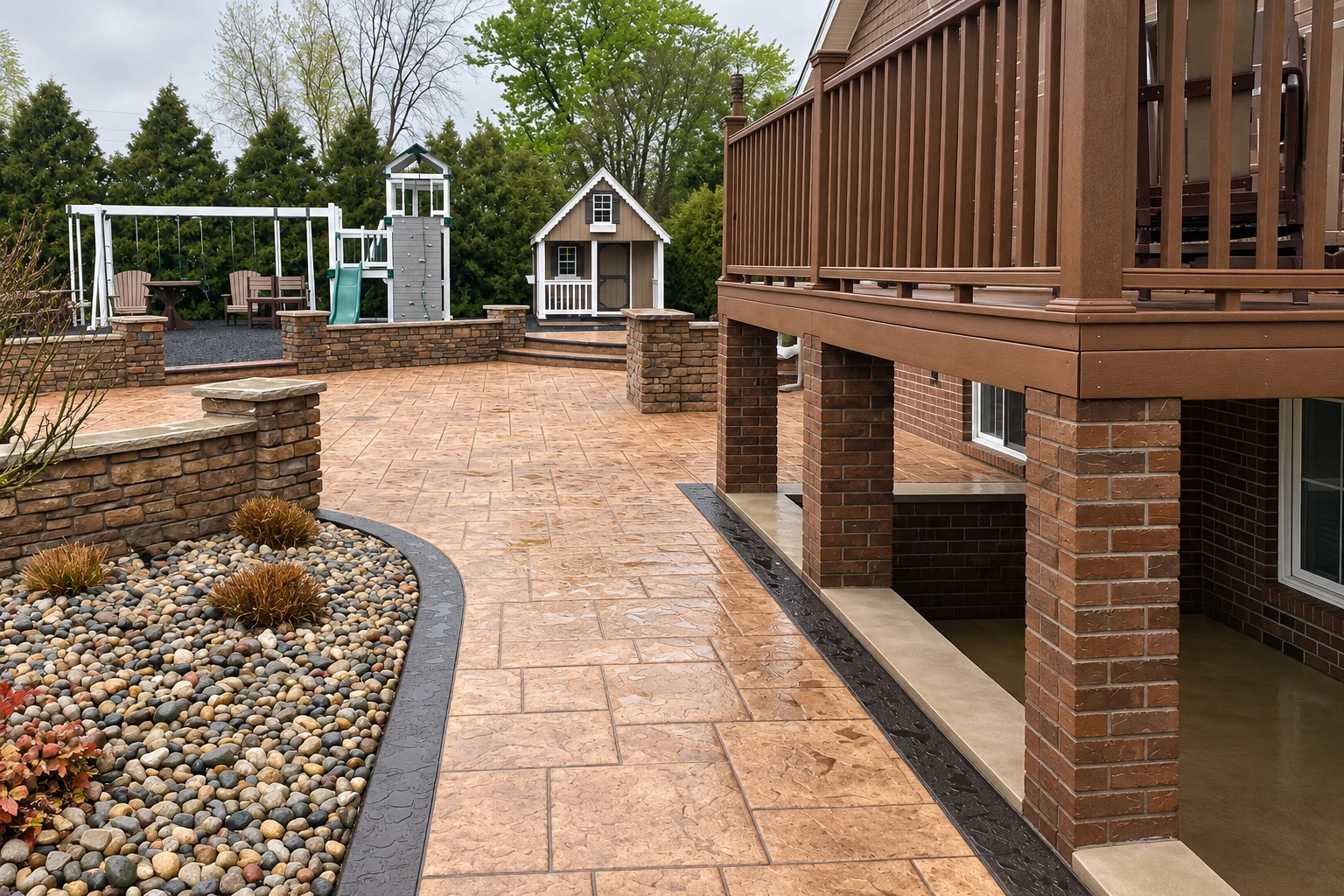
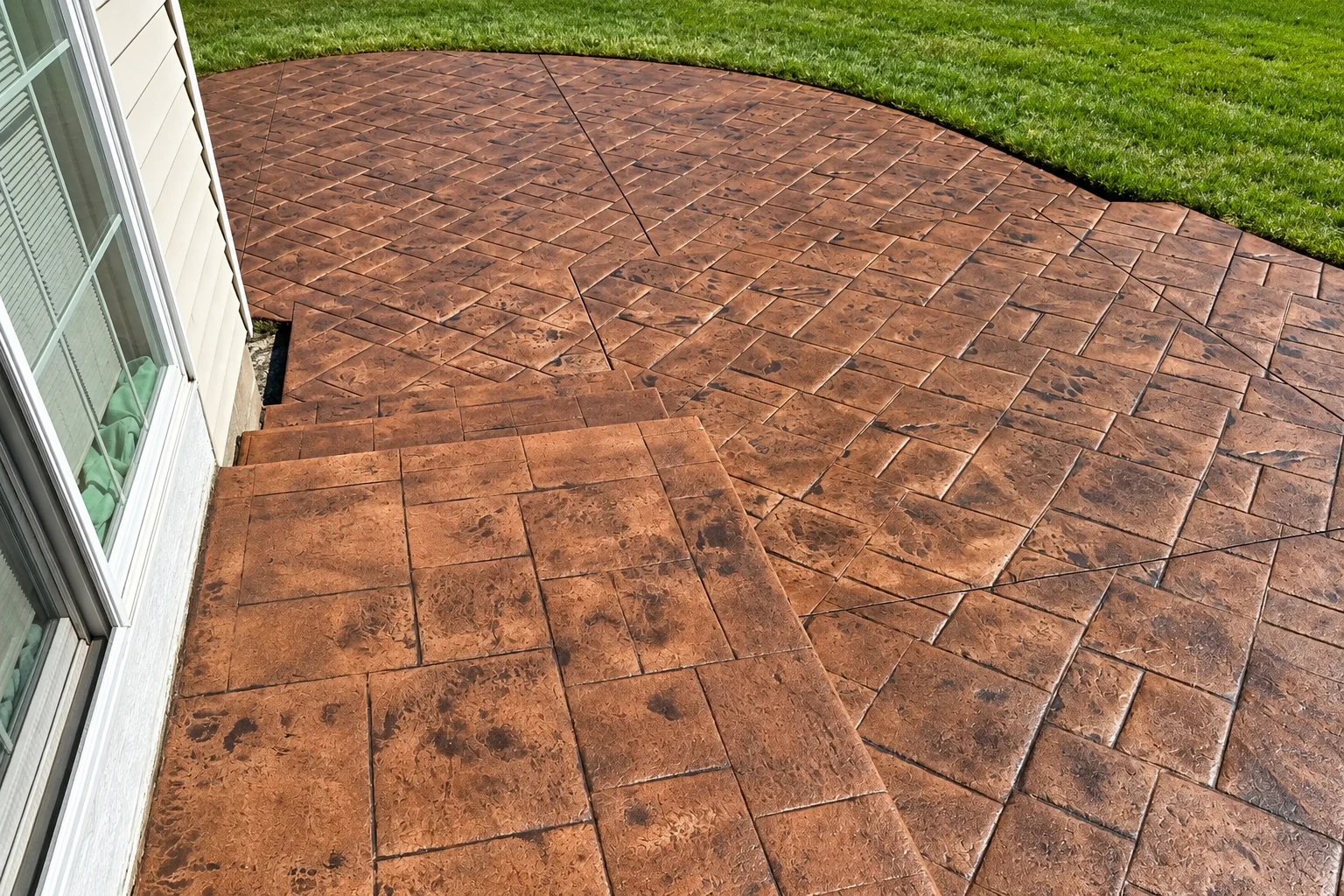
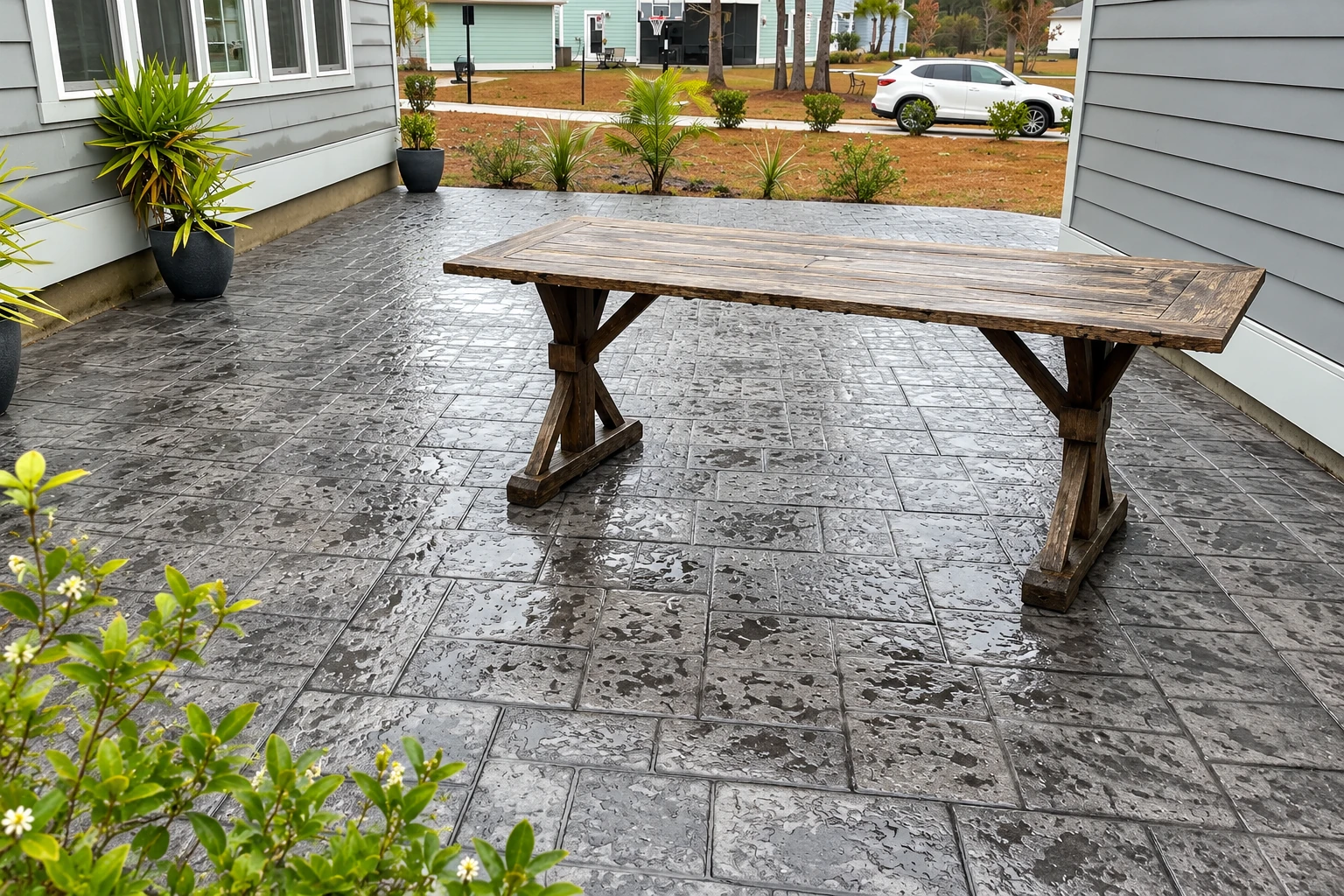
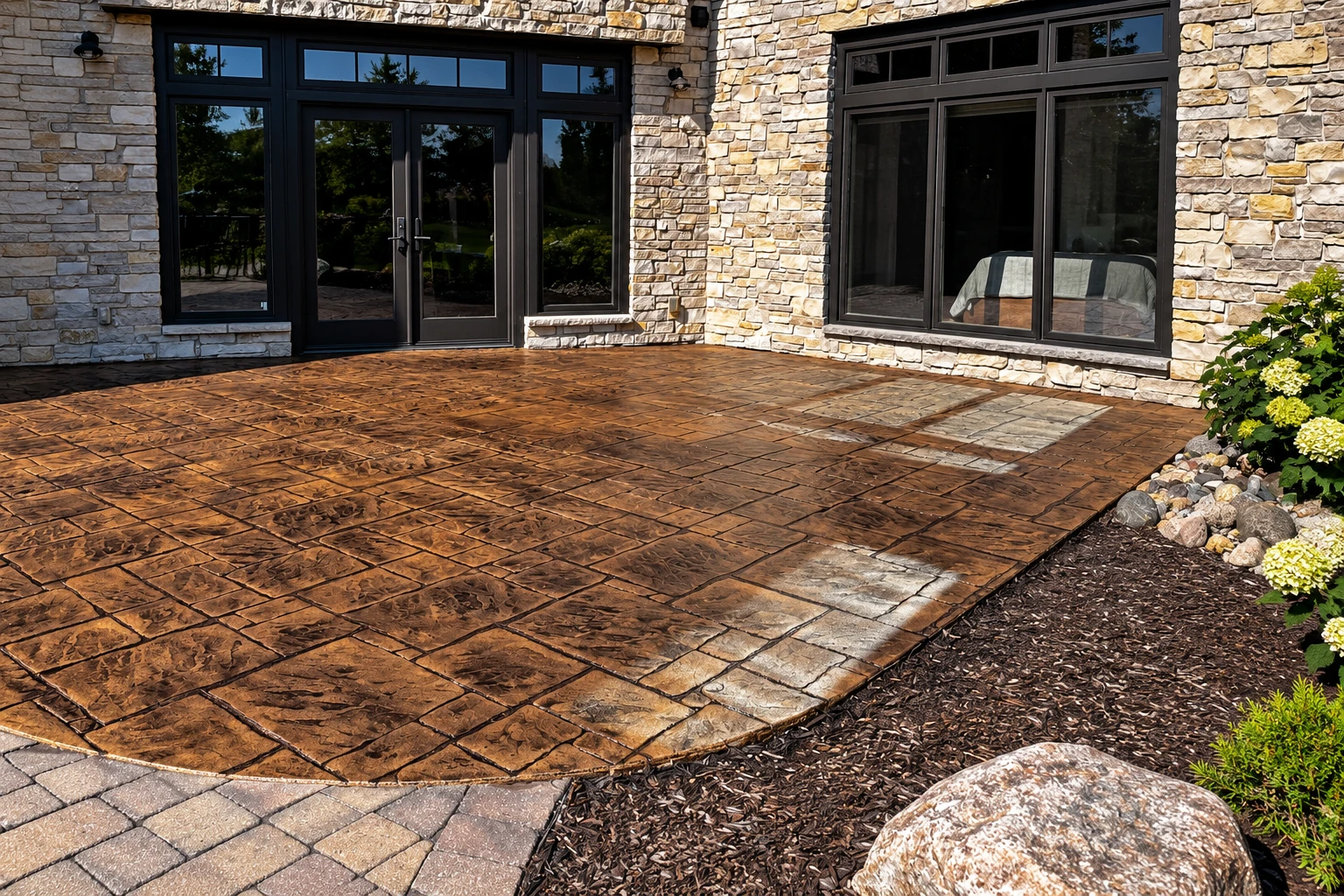
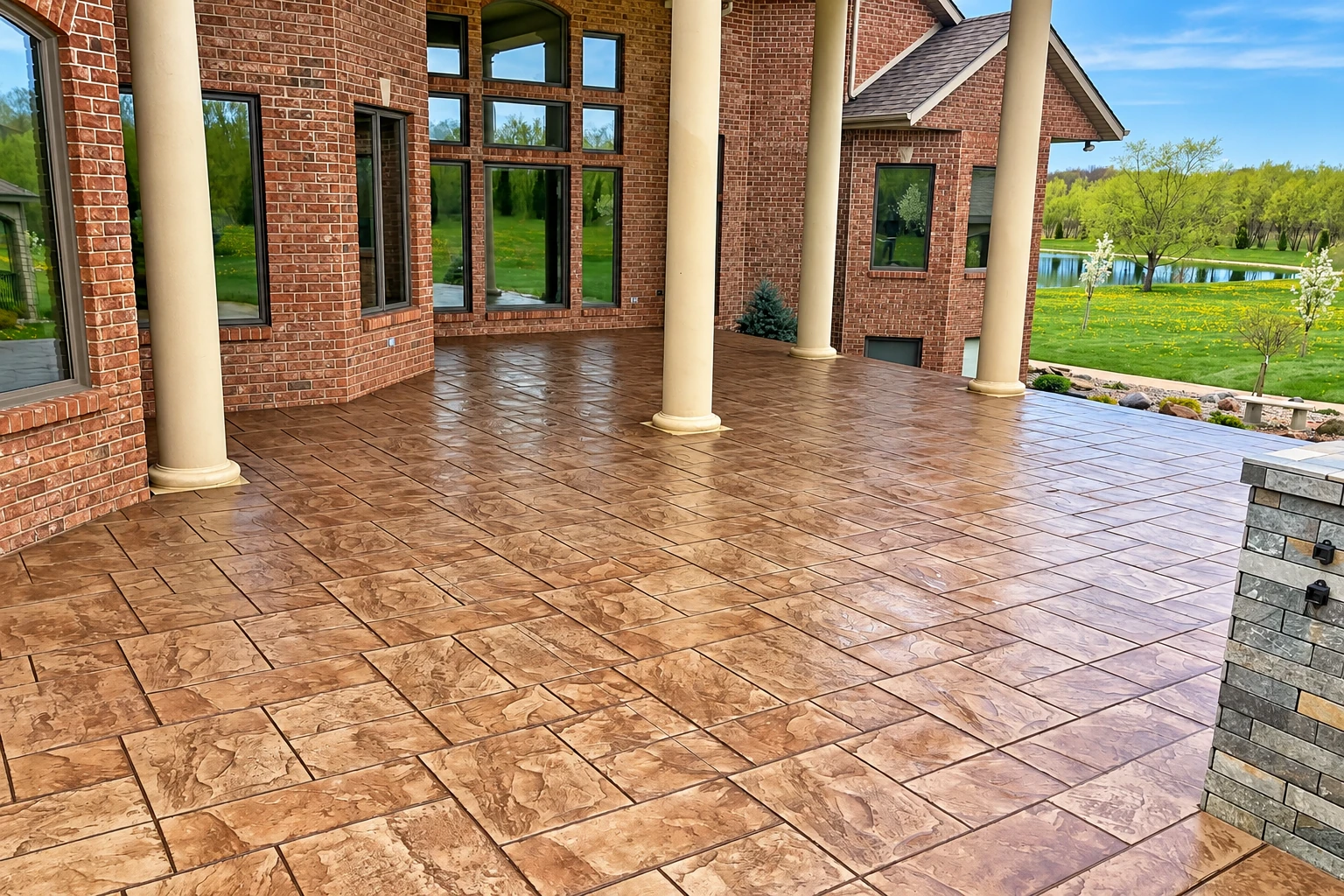
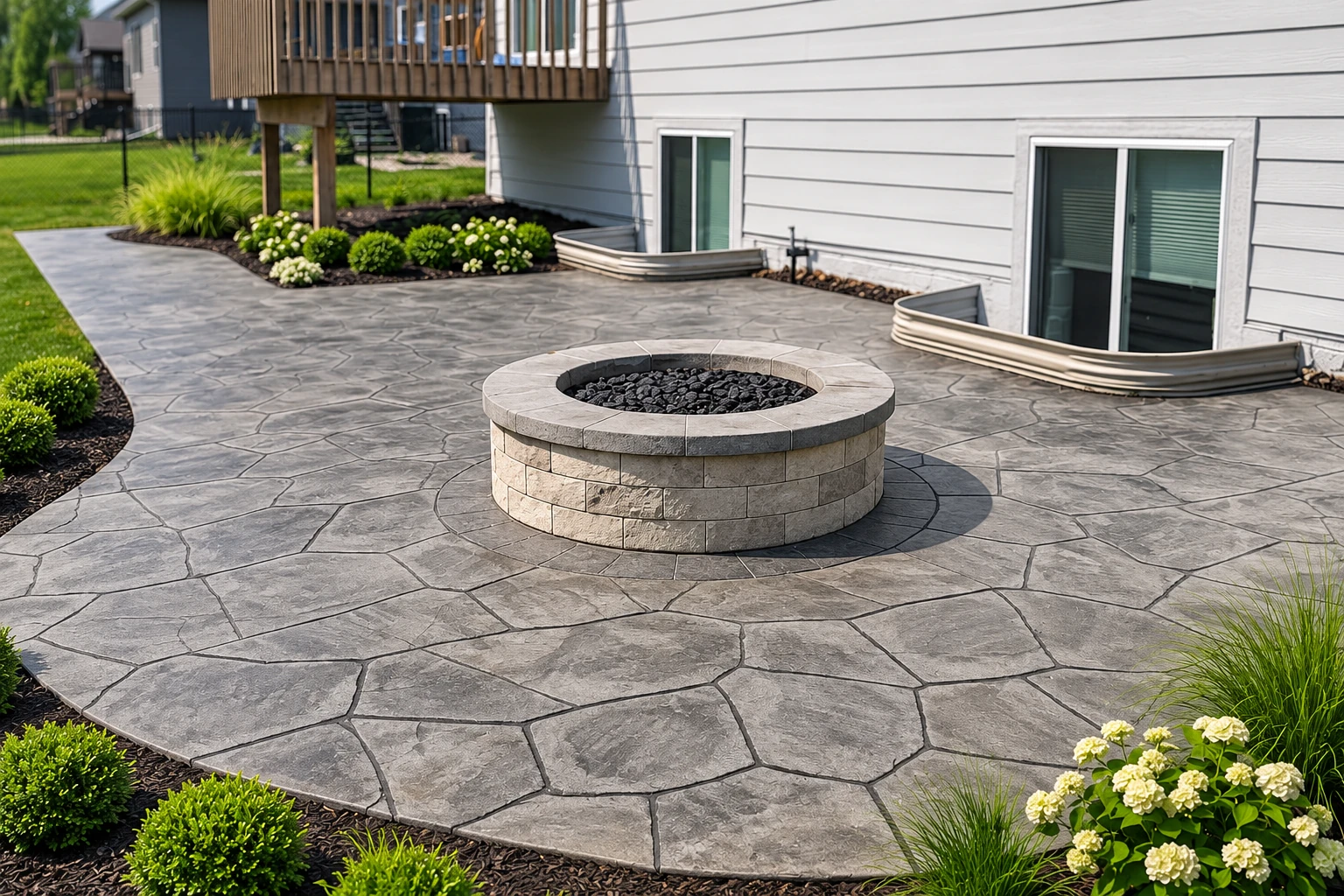
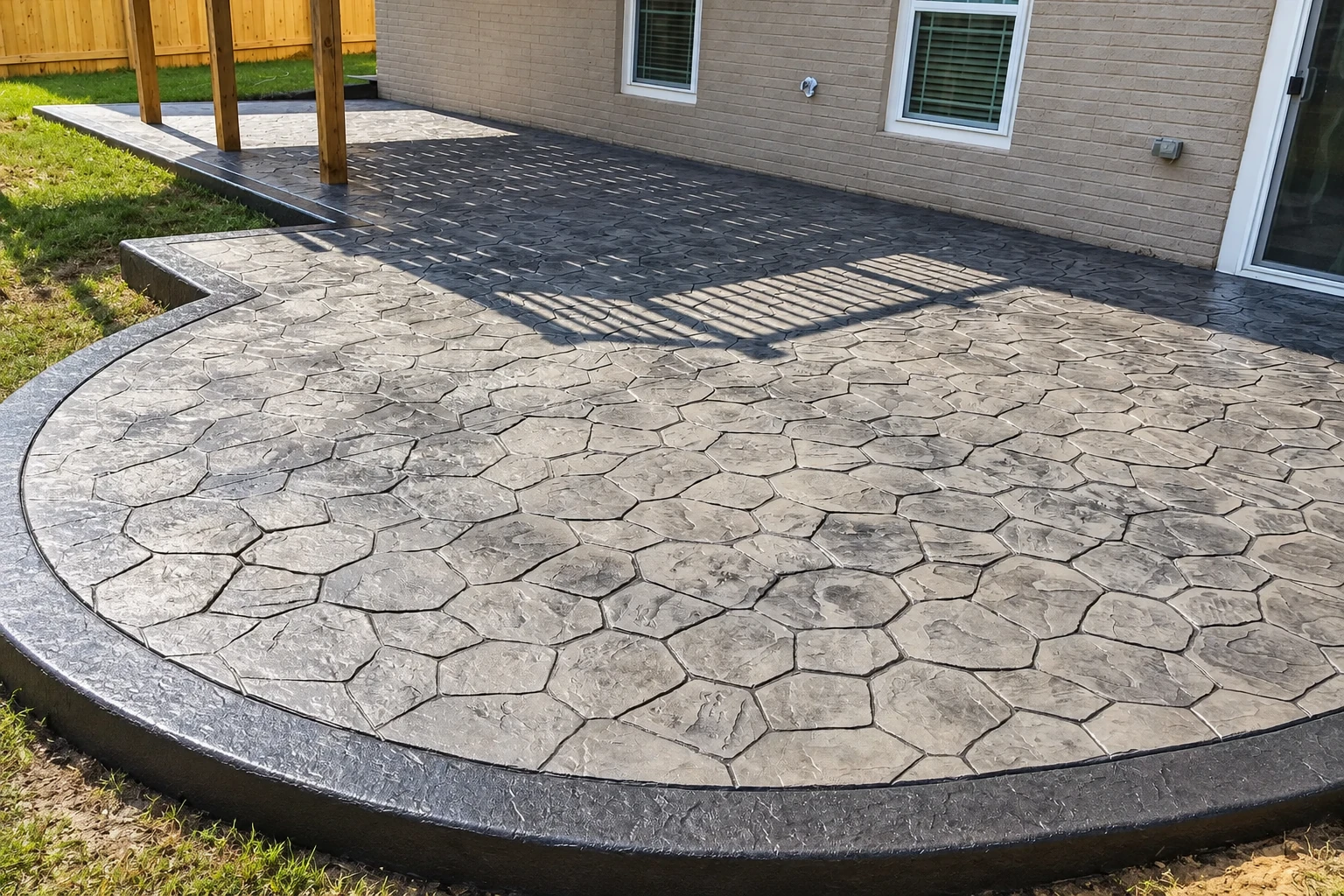
Concrete pressed with patterned mats while it's still soft so it looks like stone, brick or slate, for patios and walks where you want more than plain gray.
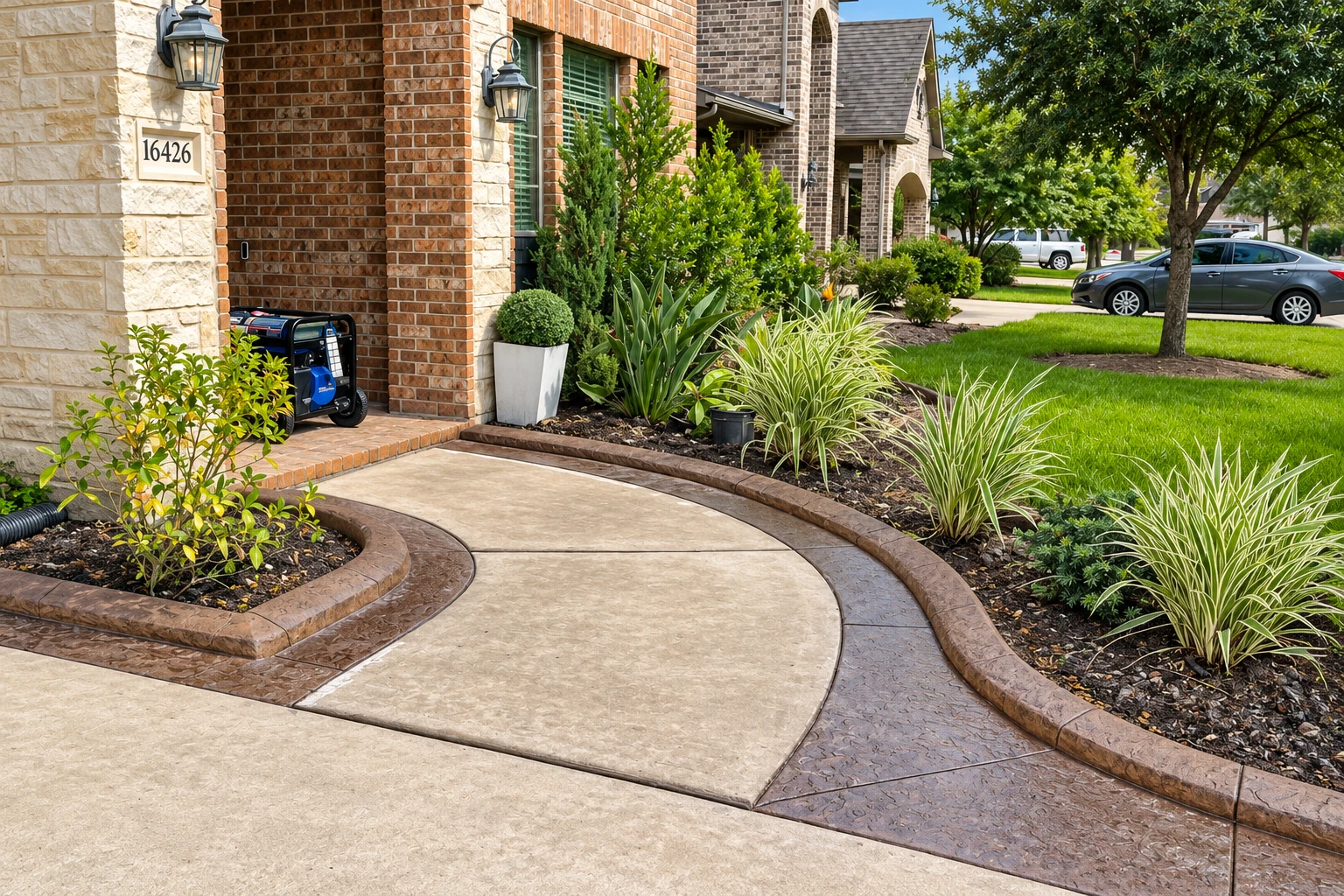
Walkways and paths around the house, with control joints, shallow cuts that give the slab a planned place to crack, cut early enough to do their job.
A new or replaced garage slab for homeowners and small shops, poured thick enough for the cars and storage it carries and finished smooth so it sweeps clean.
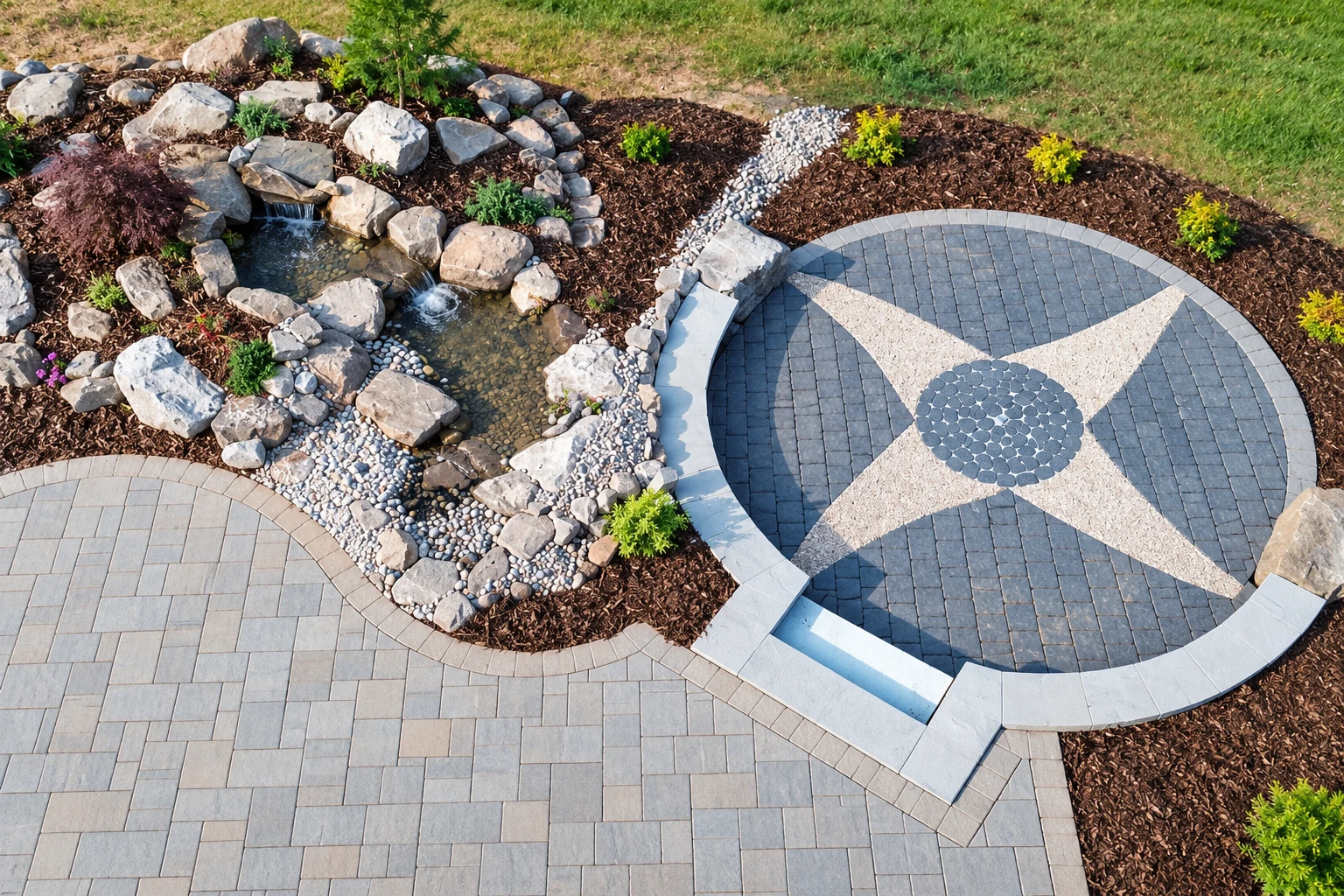
Colored concrete, exposed stone finishes and borders for homeowners who want a slab that suits the house, done over the same base work as any plain pour.
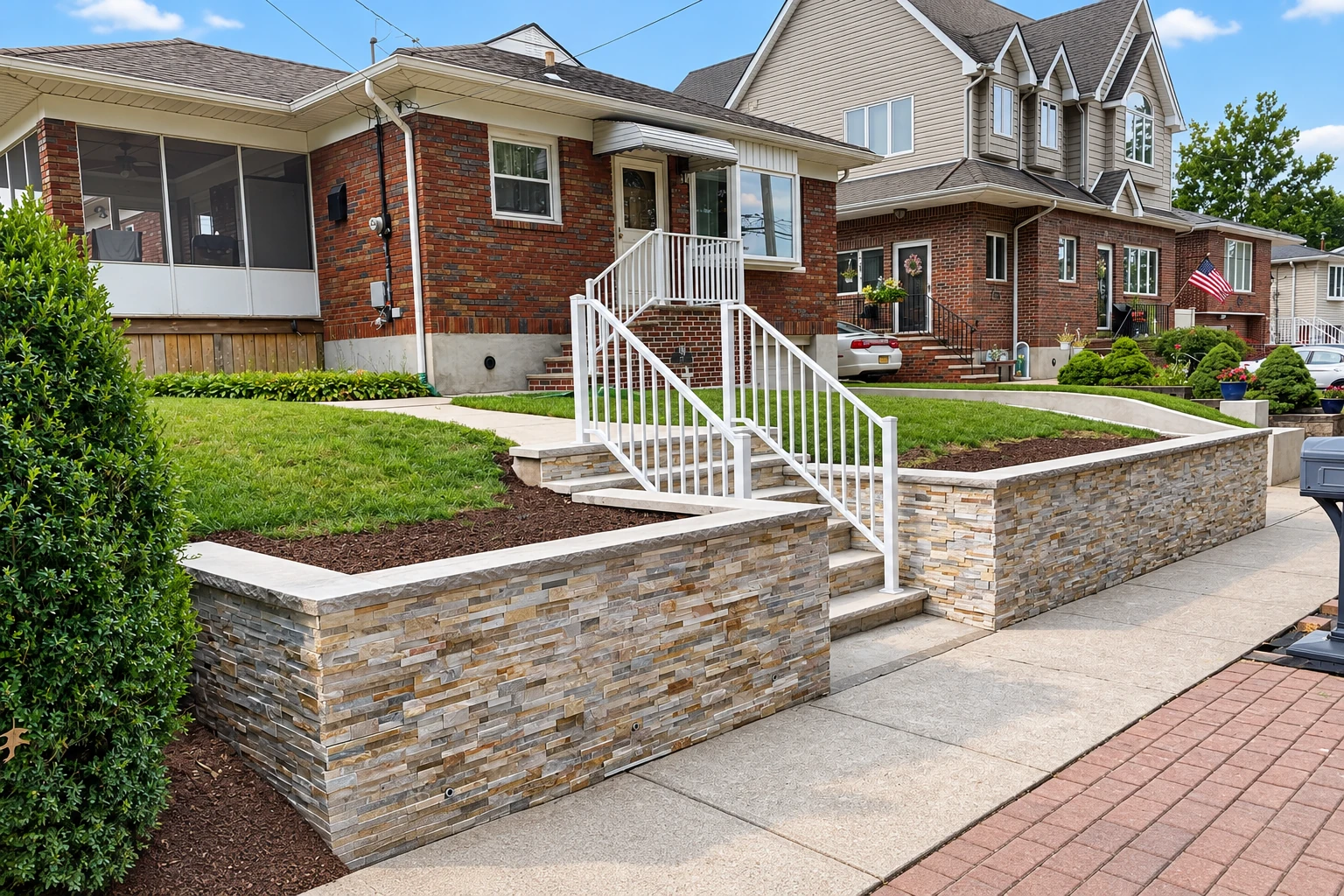
Poured concrete walls that hold back soil on sloped yards and lot edges, built on footings with drainage behind them so water doesn't push the wall over time.
Interior concrete floors for additions, workshops, sheds and small commercial spaces, placed over a prepared base with rebar, steel bars that hold the slab together, where needed.
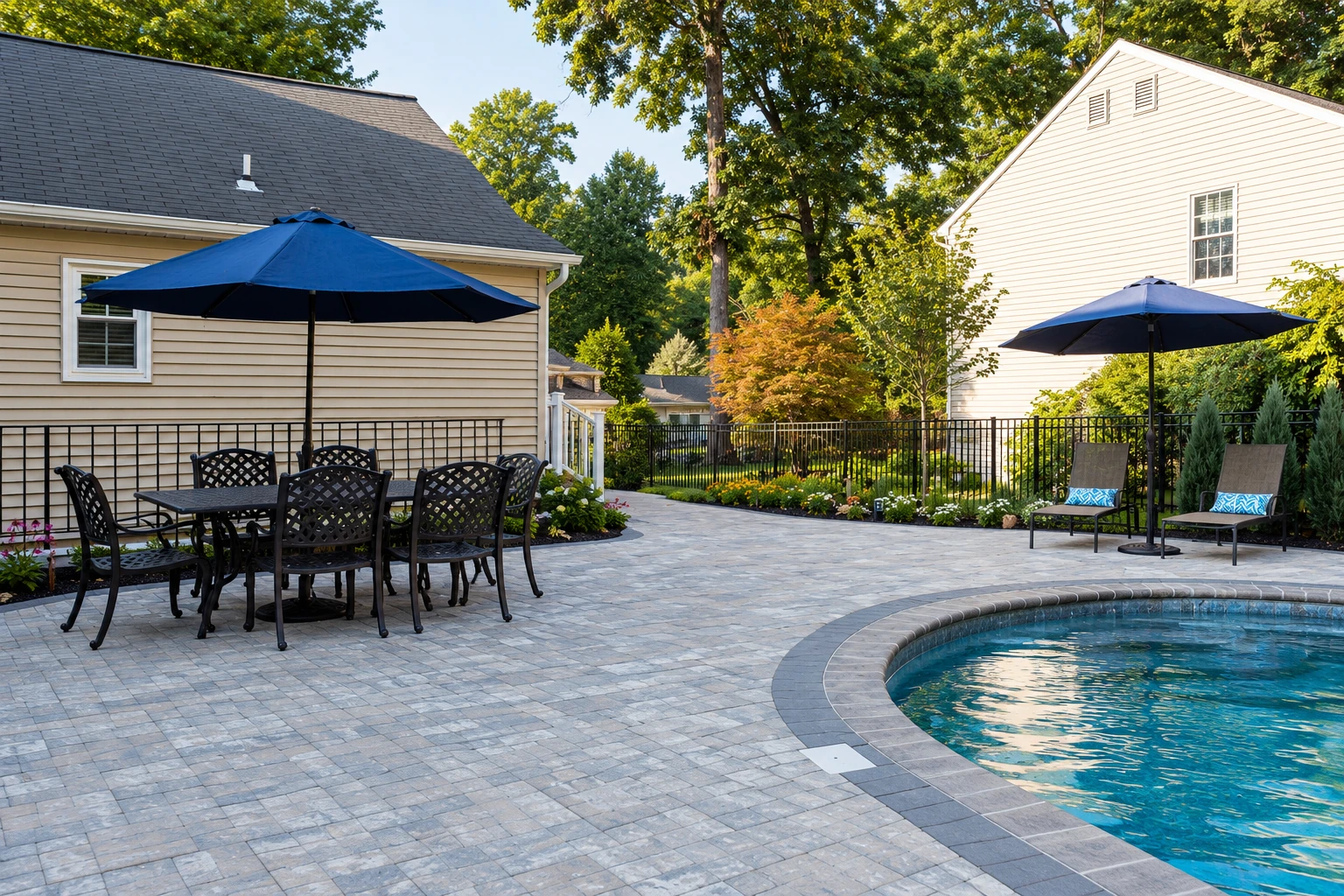
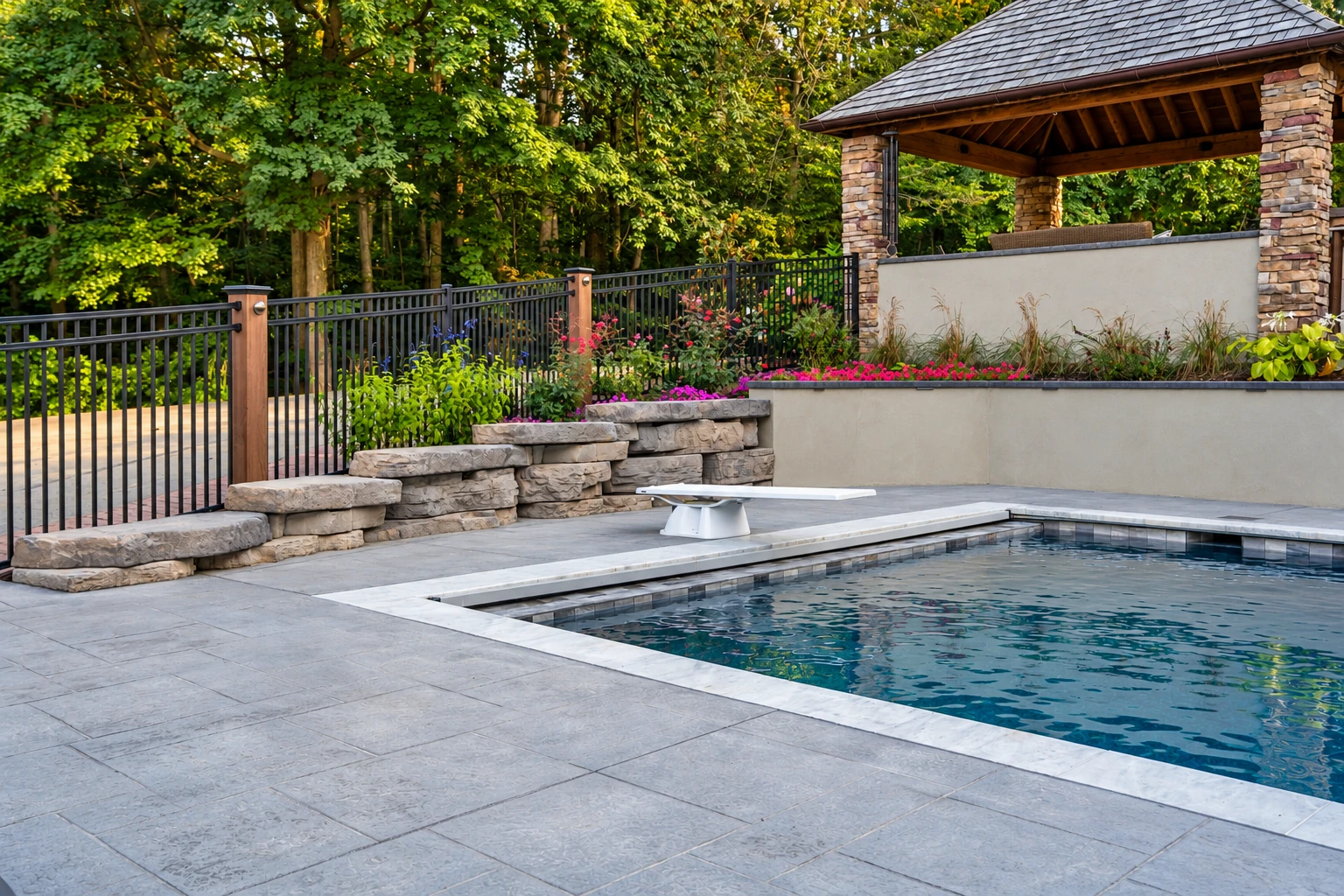
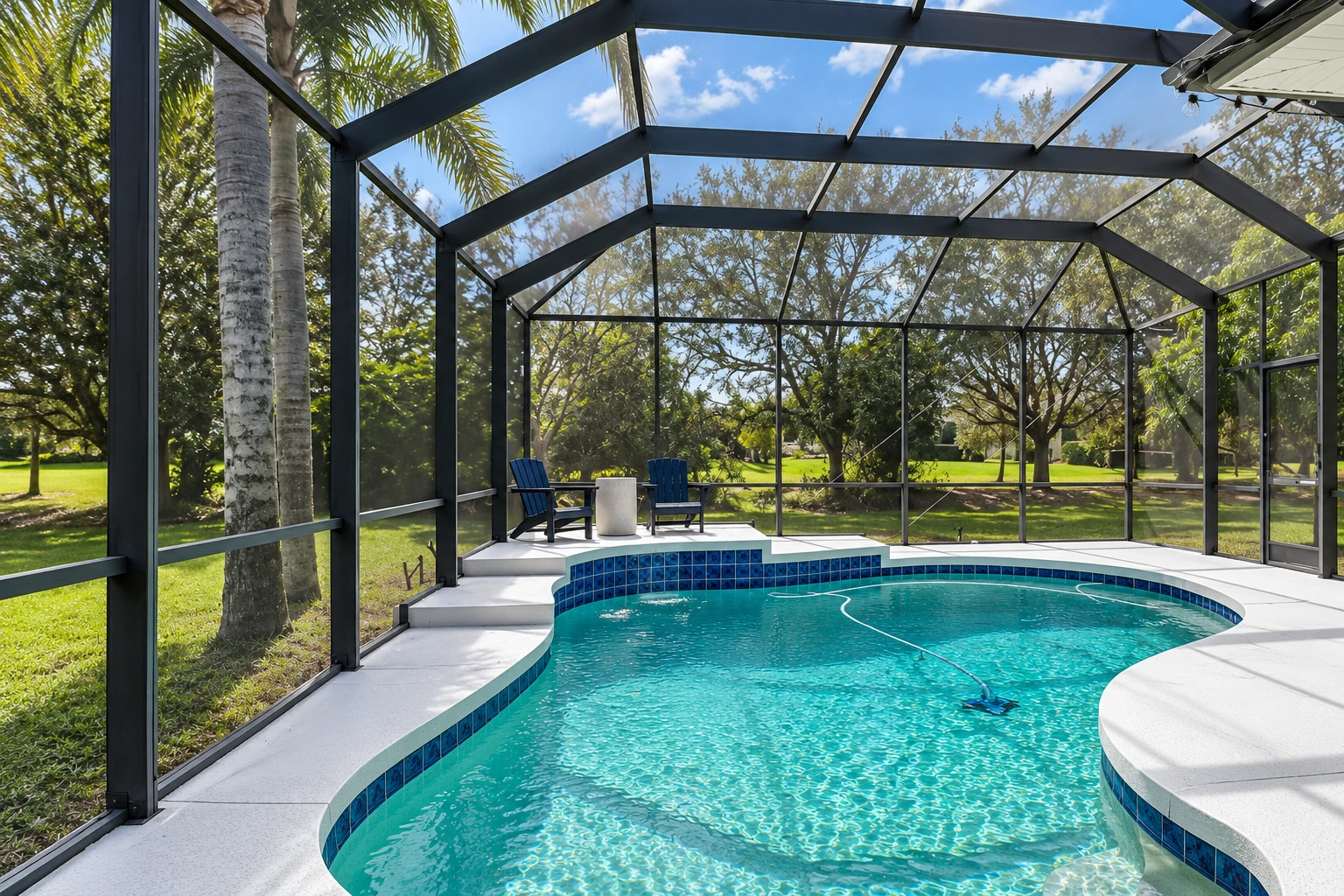
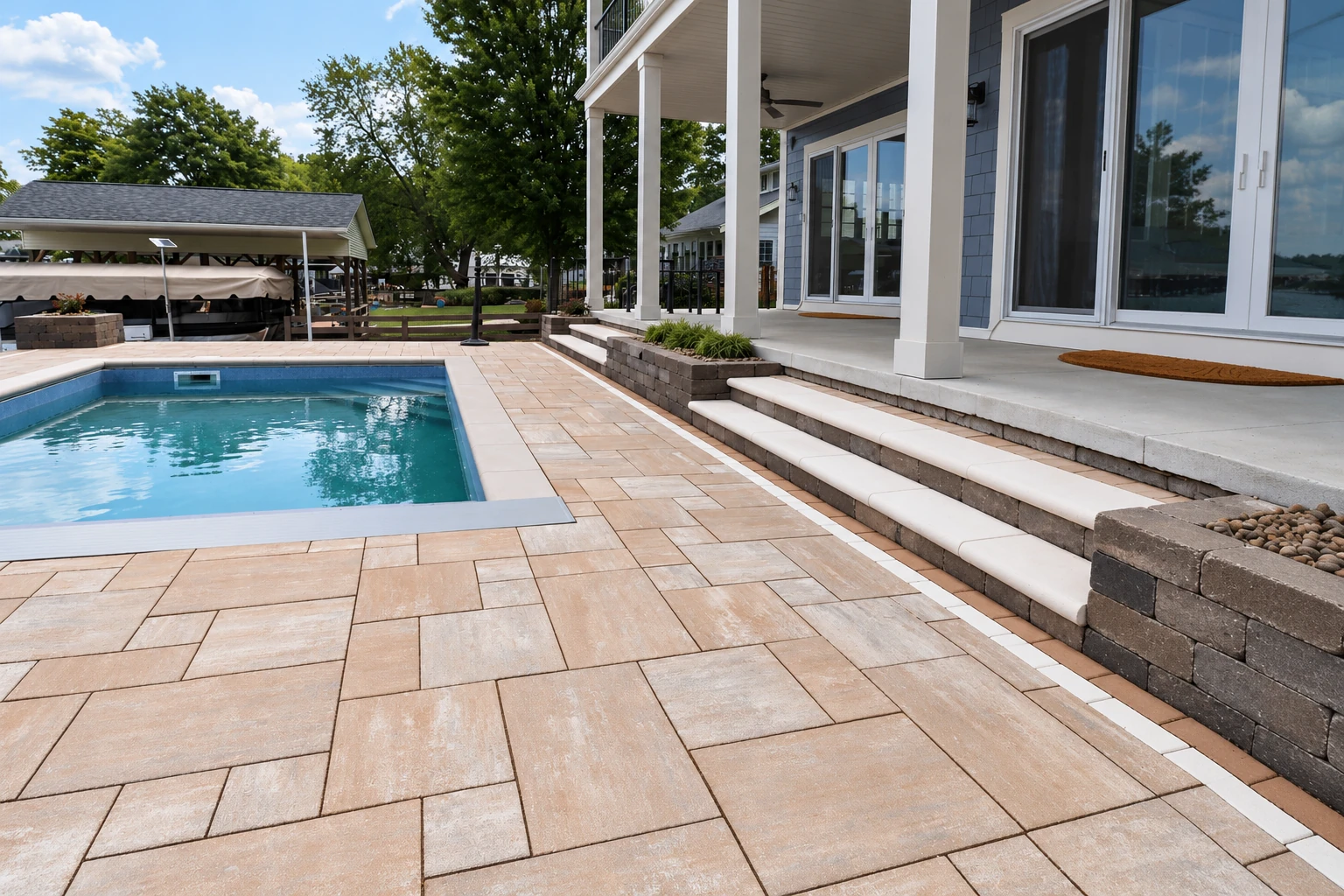
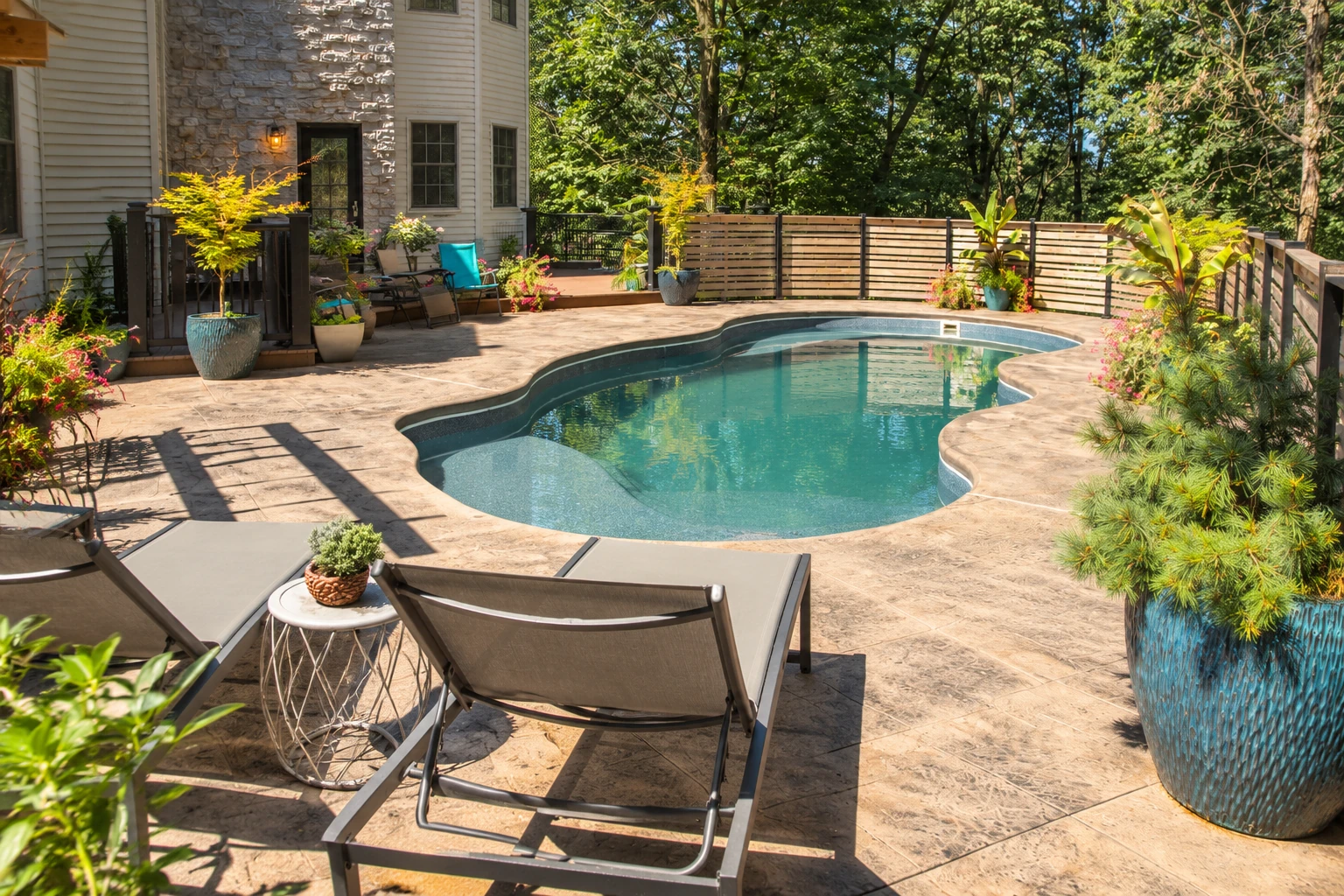
The concrete around a pool, sloped away from the water toward the drains and finished with a texture that's easier on bare feet and less slick when wet.
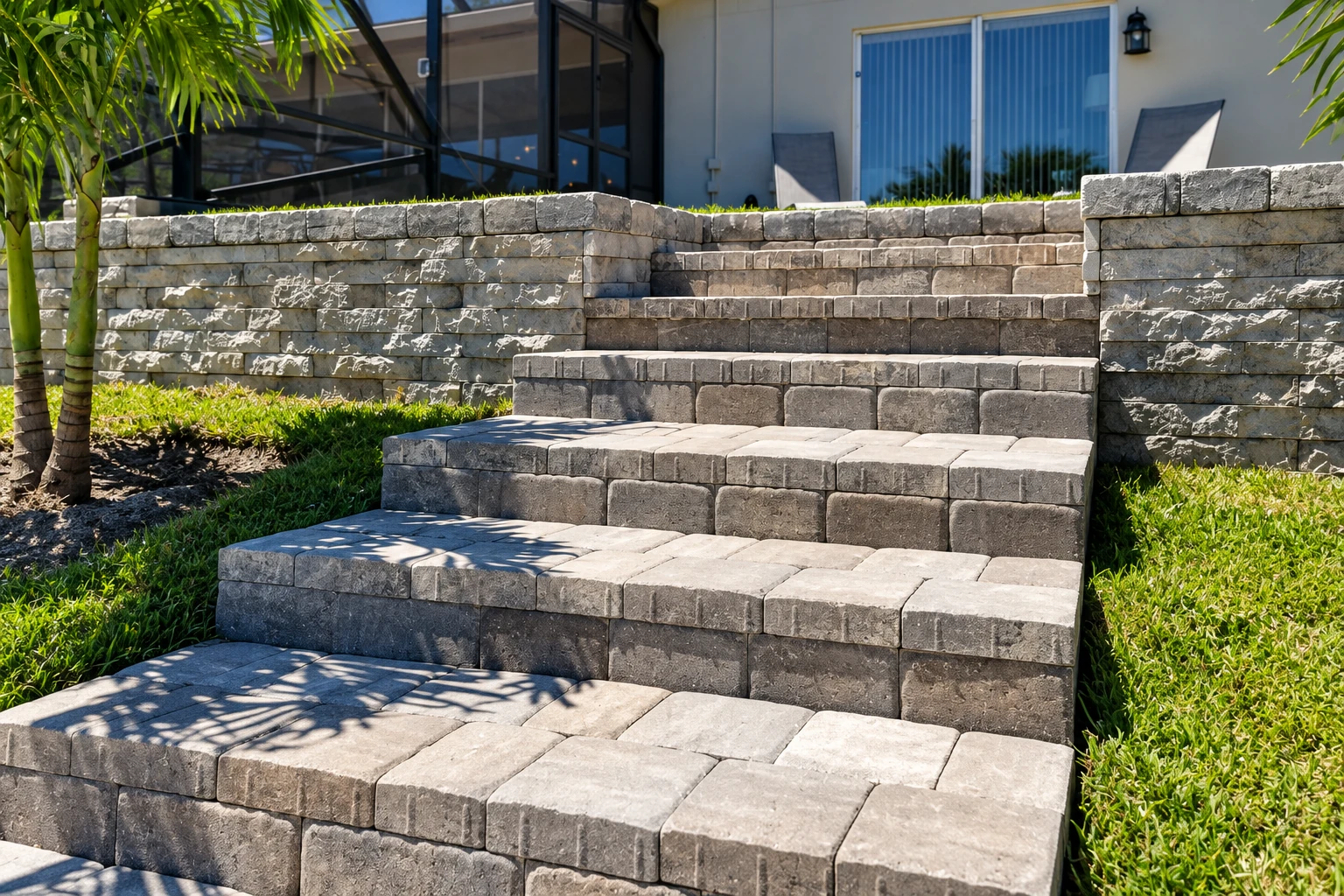
Front and back steps poured in place with even heights, for homeowners replacing cracked or sinking steps that have pulled away from the house.
The concrete slab a new home, addition, garage or accessory building stands on, poured over a packed base with the steel and footings the plans call for.
Foundations for additions, garages and outbuildings, from layout and digging through forms, steel and the pour, built to the drawings for your project.
Concrete parking areas and drive aisles for small commercial properties and apartment buildings, graded to drain and poured thick enough for daily traffic.
The concrete pads and trenches under walls, posts, patio covers and additions that spread the weight into the ground, dug to the depth the plans call for.
Lifting and leveling a settled foundation or slab for owners seeing sloping floors or growing cracks, and I'll tell you plainly if a specialist should look first.
Saw-cutting existing concrete to remove a damaged section, open a slab for plumbing, widen a driveway or cut joints, leaving clean edges for new concrete.
Why Corona homeowners call us for flatwork
I learned concrete on a city public works crew, pouring sidewalks, curbs and ramps to a written spec with an inspector watching, and I started this business in Riverside in 2013 to bring that same care to homes. Corona is one of the cities around us where we do a lot of flatwork, the driveways, patios and walks that lie flat on the ground, the same work we do in Eastvale and up in Fontana.
The price on a Corona job moves mostly with the size, whether the old concrete has to be broken out and hauled away, how much digging the base needs and any finish beyond plain broom texture. The schedule turns on any permit and inspection the city requires, and on curing, the days a new slab needs to harden before it takes weight. I write the estimate myself with what's included spelled out, and what I look at hardest is the ground, because a slab only stays level on a packed base and only stays dry if the yard drains away from it.
- The owner writes your estimate on site
- The owner there on pour day
- Base dug out and packed properly
How we run a job in Corona
Estimate on site
I come out, walk the job with you, check where the water runs and write the estimate myself, with everything included spelled out.
Permits settled up front
We agree with you up front on who applies for anything the city requires, and when it's us, we bring our license paperwork to the counter.
Base before finish
If the budget is tight, I'd rather simplify the finish than skimp on the base, because the base is hidden on pour day but decides whether the slab sinks.
Owner on pour day
Our lead finisher runs the crew on site, and I'm there on pour days, so the person who wrote your estimate sees the concrete go in.
- Old concrete broken out and hauled away
- Base dug out and packed, not raked
- Slab sloped away from your house
- Rebar placed where the slab needs it
- Forms set straight and checked before pouring
- Pours started early in the day
- Control joints cut on time
- Curing explained before we leave
- Site cleaned up at the end
- A specialist named when one fits better
The part of a Corona job you won't see, the base, the joints and the drainage, decides how your new slab holds up, so that's where we start.
Is your Corona driveway or patio due for work?
Most of these start small and grow once water gets under the slab, so it pays to look at them before the damage reaches the base.
- Cracks that keep getting wider
- One section sinking below the next
- Water pooling after rain or watering
- Slab sloping toward the house
- Chipping or flaking on the surface
- Steps pulling away from the door
- Edges lifted by tree roots
- Gaps between slab and foundation
Our office serving Corona
Call (951) 631-9520 or send the form with a few words about your Corona project, and we'll reply within one business day to set up your free estimate.
- Phone
- (951) 631-9520
- Hours
- Mon–Sun: 6 AM–11 PM
- Location
- Riverside, CA 92501
Corona concrete questions
Which office handles building permits for concrete work in Corona, CA?
The City of Corona's Planning & Development department handles building permits, and its permit line is 951-736-2250. Ask them whether your driveway, patio, wall or foundation job needs a permit before any digging starts, because the answer shapes the schedule. At the estimate, we'll settle with you who checks and who applies.
Does a contractor from Riverside need a Corona business license?
Yes. The City of Corona requires a business license for every business operating in the city, in every trade, and that includes businesses whose main address is outside Corona, like ours in Riverside. Licenses renew every year on their anniversary date.
When does a contractor need a California state license for concrete work?
A contractor needs a license from the Contractors State License Board when the project needs a building permit, uses any hired workers or totals $1,000 or more in labor and materials. The small-job limit used to be $500, and the higher $1,000 limit only covers work with no permit and no hired workers. We're licensed and fully insured.
Which building code edition does Corona use?
Corona has adopted the 2025 edition of the California Building Standards Code as the city's building code. The city's building office works to make sure new construction meets safety standards and existing buildings stay safe, so when your job needs a permit, we plan it to the code the city has adopted.
How much does a new concrete driveway cost in Corona?
A Corona driveway's price comes down to its size, whether the old slab has to be broken out and hauled away, how much base work the ground needs and the finish you pick. Stamping and color raise it and a plain broom finish keeps it lower, while tight access adds labor. I'll price yours on site in writing, and our driveway page explains the work itself.
How long do I have to stay off a new concrete driveway?
You stay off a new driveway until it has cured enough to take the weight, and walking on it comes well before driving on it. Curing is the slow hardening concrete does after the pour, and putting a car on it too soon is how a fresh slab gets marked or cracked. We go over the days for your slab before we leave, because they depend on the mix and the day.
What causes a new concrete slab to crack?
Most cracking in a new slab comes from a base that was raked level instead of dug out and packed, joints that were cut late or skipped, or a pour finished in the heat of the day. Concrete shrinks a little as it cures, which is why control joints matter. We pack the base, pour early and cut the joints on time, so any crack lands where we planned it.
Other cities we work in
Choose another city below to see its page, or call (951) 631-9520 if yours isn't listed, because we work in many of the cities around Riverside.
Start your Corona quote with Riverside Concrete Company
Call or send the form, and we'll reply within one business day to set up your free written estimate.